
Corporate Gifting Season: Give Clothing Worth Keeping
Adian Buys and Brage Bye ·
Dutch KVK research reports an average of €102 per employee for end-of-year gifts, with almost half spending €50–€100. Our take: spend that budget on fewer, better things — premium clothing people can keep wearing long after December.
Every gifting season, someone in the office gets handed the same brief: find something for everyone, make it thoughtful, keep it within budget, and somehow have it ready before the end-of-year drinks. No pressure. It is easy to end up with a box full of things that look generous on the day but have nowhere to go afterwards.
We think a company gift should have a life beyond the moment it is opened. A good hoodie for the commute. A sweater for the weekend. A beanie that comes out every winter. If you are going to buy something, make it something worth keeping.
How much do companies spend on corporate gifts?
There is no single average covering every company, country and type of gift. For a useful Dutch benchmark, KVK reports an average of €102 per employee for end-of-year gifts in its research among 433 entrepreneurs with staff, conducted in 2023. Almost half spent between €50 and €100. Reported amounts ranged from €10 to €1,250, so the average is not the same as what a typical employer spends.
A different benchmark comes from gifting provider Kadonation: its May 2025 article, drawing on its own gift data, puts the average end-of-year gift at €45 per employee. These figures come from different samples and should not be combined into one market average. They are reference points, not a rule for what your company must spend.
Why clothing makes sense beyond gifting season
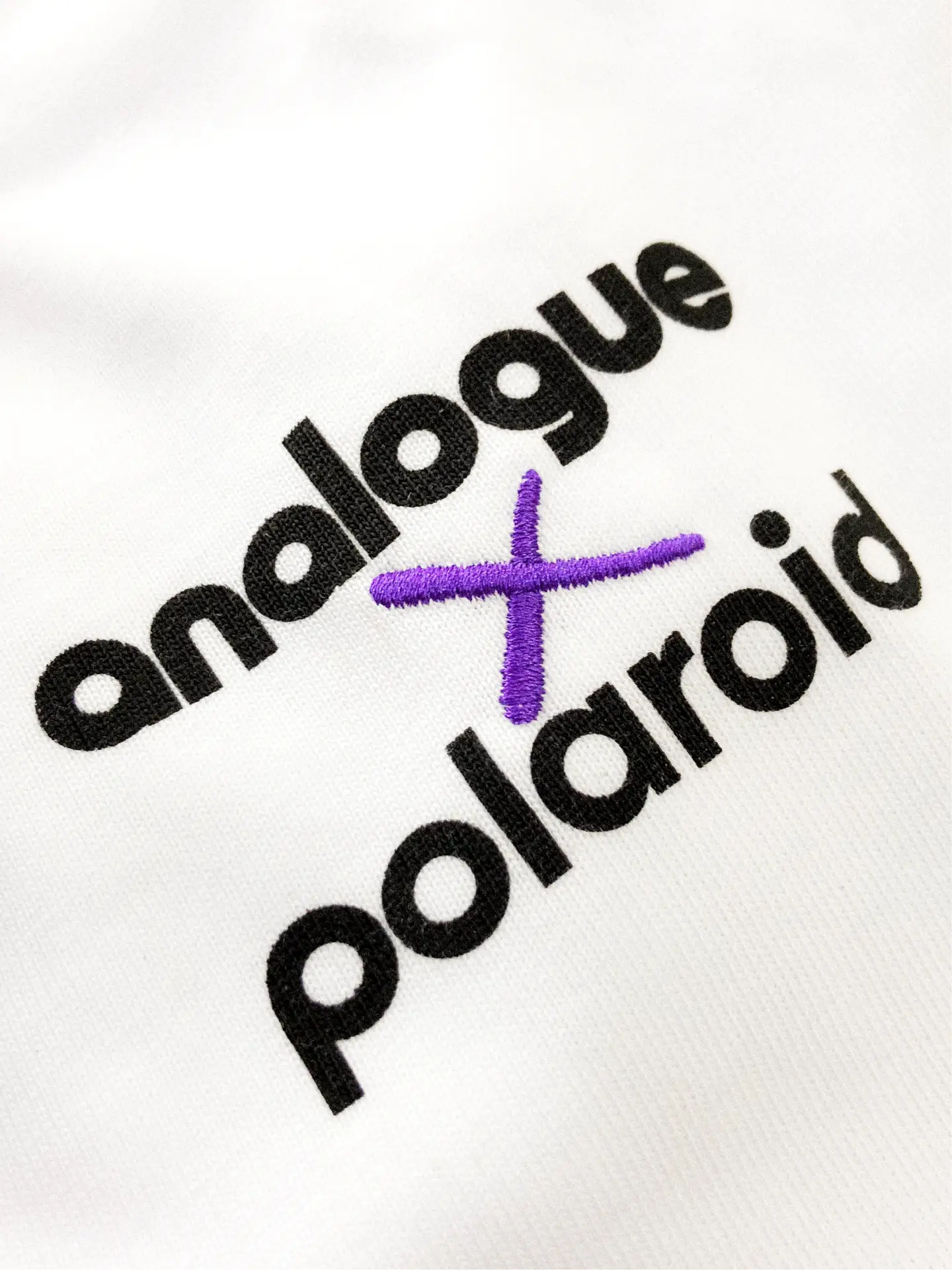
A gift does not need your logo on it to be meaningful. But if you are making a branded gift, clothing gives you the chance to make something useful first and promotional second. A comfortable hoodie can become part of someone's weekly wardrobe rather than an object they politely accept and forget.
That is the opportunity, not a guarantee. Clothing only earns repeat use if the recipient likes the fit, colour and design. Think about what your team actually wears, offer a sensible choice of sizes, and keep the branding considered. A small embroidered mark or a thoughtful graphic can feel more like a garment someone chose than a uniform they were issued.
Premium should mean better, not just more expensive
We are not arguing for the most expensive item on the list. We are arguing for a product you would be happy to buy for yourself. A good cut, fabric that feels right, neat seams, cuffs that hold their shape, and decoration that suits the garment. Those are the details that turn a giveaway into a favourite.
- Feel the sample. Softness, construction and fit tell you more than a product name containing the word premium.
- Check the fabric and weight. GSM describes fabric weight, not quality on its own: a heavier garment is not automatically better.
- Choose decoration for the material. Beanies suit embroidery; puffers and heavy synthetic garments need DTF or embroidery rather than screen printing.
- Make it easy to wear. Choose colours and branding with the recipient in mind, not just your brand guidelines.
- Ask for care instructions. A good product still needs appropriate washing and care.
Buy fewer things. Make the main thing better.
It is tempting to measure a gift by how full the box looks. We would rather put the budget into one excellent hoodie than a collection of cheap extras added to make the box feel bigger. If a bundle makes sense, let each piece earn its place: a hoodie and beanie for winter, or a tee, half-zip and body warmer for useful layers.
Here is an illustrative cost-per-wear example, not a claim about actual customer behaviour: a €60 garment worn 60 times costs €1 per wear. A €20 garment worn twice costs €10 per wear. The cheaper purchase is not necessarily the better use of the budget. The question is whether someone will want to keep reaching for it.
Repeated use is also a sensible aim when trying to avoid waste, but premium pricing alone does not prove a product is sustainable. Materials, production, care and actual use all matter. The best starting point is not buying unnecessary things, then choosing useful, well-made products when a gift is appropriate.
Plan the gift around the people receiving it
- Decide who it is for: employees, clients and event guests may need different gifts.
- Collect sizes privately and offer a suitable fit or alternative. Do not guess everyone's size.
- Approve a garment sample and artwork before committing to the full run.
- Confirm stock, the complete quote and your delivery date before promising a handover day.
- Keep the message personal. A short thank-you can do more than another disposable extra.
A good gift should still feel good in February
December is the occasion, not the expiry date. The same thinking works for onboarding, team milestones and client thank-yous: choose something that fits into the recipient's life. Appreciation should not feel like a marketing obligation.
From our studio in Bussum, we help companies choose clothing from AS Colour and Stanley/Stella and work out the right decoration for each piece. Explore our gift bundles, or tell us who the gift is for, how many people you are gifting and when you need it through our quote form. You do not need a finished design to start the conversation.