Organic Cotton Blanks: What They Are and Why We Print on Them
Adian Buys ·
Organic cotton blanks are T-shirts and other garments made from cotton grown without GMOs or synthetic pesticides and fertilisers. Here is what that actually changes, which organic blanks we print on, and why we focus on producing better so we can produce less.
The short answer
Organic cotton blanks are T-shirts and other garments made from cotton grown without GMOs or synthetic pesticides and fertilisers. For merch, the main benefits are lower chemical use on the farm, more traceable sourcing and a product your brand can explain clearly. They help most when the shirt is also well made, because merch only makes a difference if people keep wearing it.
With so many shirts being printed in the Netherlands alone, making a difference can feel like trying to empty the North Sea with a squeegee. At SCREENS.ink, we've thought about this a lot, usually with ink on our hands. How can we do our best in an industry with such a waste problem, where test shirts and throwaway merch end up in the trash?
Produce better so we can produce less
After a lot of thought and many conversations with our clients, we had to accept that people will always want custom merch. Great news for us, slightly awkward news for the planet. So the best way we can help is by creating products that are simply amazing, that really last, and that stay in your closet for ages. Not the shirt that's a car-washing rag by Tuesday. That's a good product, and that's how we try to make a difference.
The problem is real. Dutch research found that each person throws away about 40 garments a year, and 24 of those are incinerated. The same research found about 50 of the 173 items in the average wardrobe hadn't been worn in the past year.
A merch shirt that gets worn for years is a very different product from one that lives at the bottom of a drawer, thinking about what it did wrong.
What are the benefits of organic cotton blanks?
1. No GMOs or synthetic farming chemicals
Under organic criteria, cotton farming should avoid harmful pesticides, fertilisers and GMOs. A study by Iowa State University and The Organic Center, funded by the Organic Trade Association, described farmers using crop rotation and beneficial insects to manage soil and pests.
2. A supply chain you can ask about
The Global Organic Textile Standard (GOTS) tracks organic cotton from ginning through to the final customer, with certificates issued at each stage. That gives you something more concrete to check than a vague promise.
3. A clearer story for your brand
When customers ask what your merch is made of, you can give a specific answer: the cotton, the certification and the supplier. That beats "um, cotton?" every time. It also helps your merch match the standards you hold your brand to.
4. A stronger choice when paired with a well-made shirt
Organic describes how the cotton is grown and traced. It doesn't give a shirt superpowers. A badly made organic shirt is still a badly made shirt, just with a better backstory. The fabric, construction, fit and print all matter too, which is why we choose the garment and the certification together.
Which organic blanks do we use?
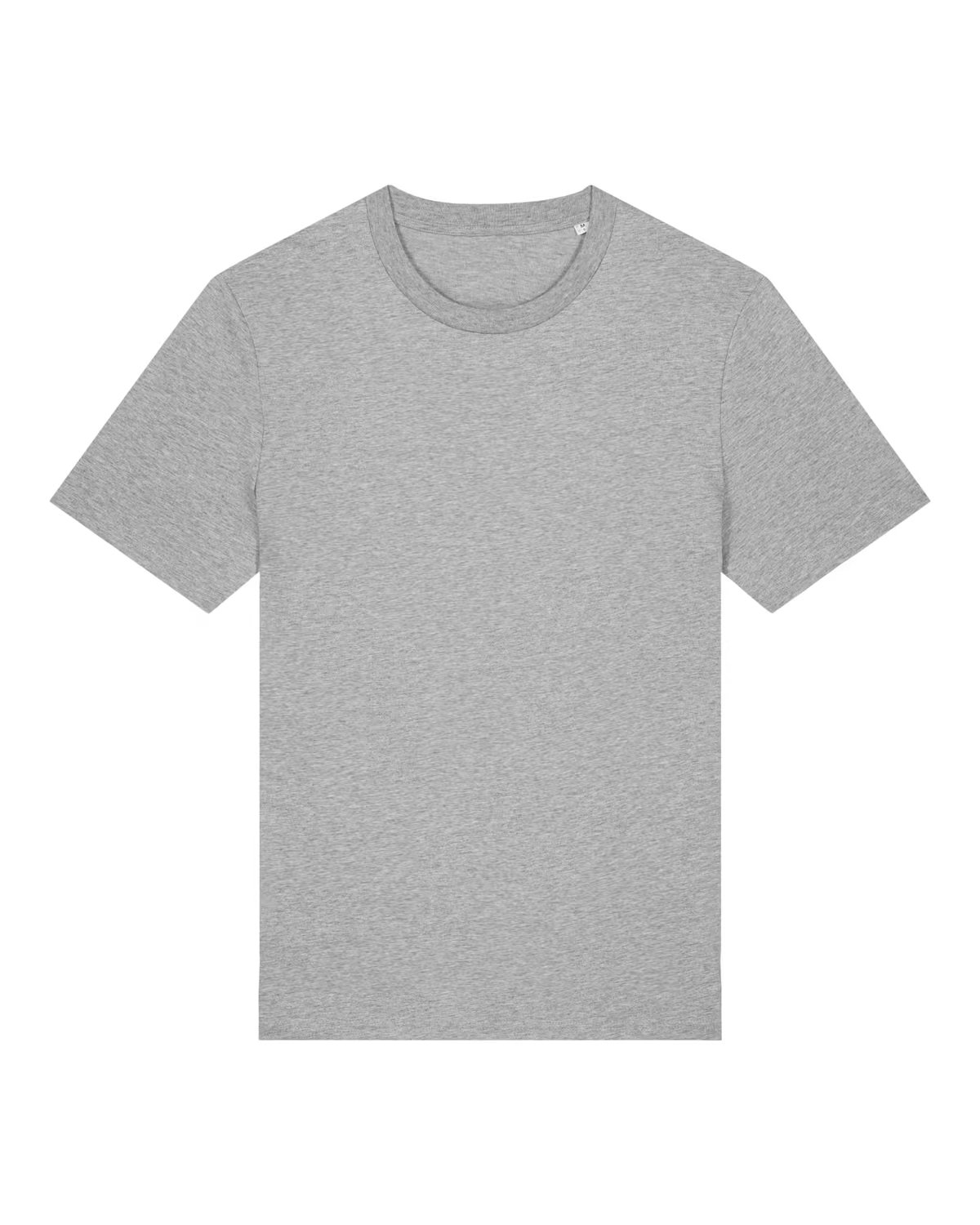
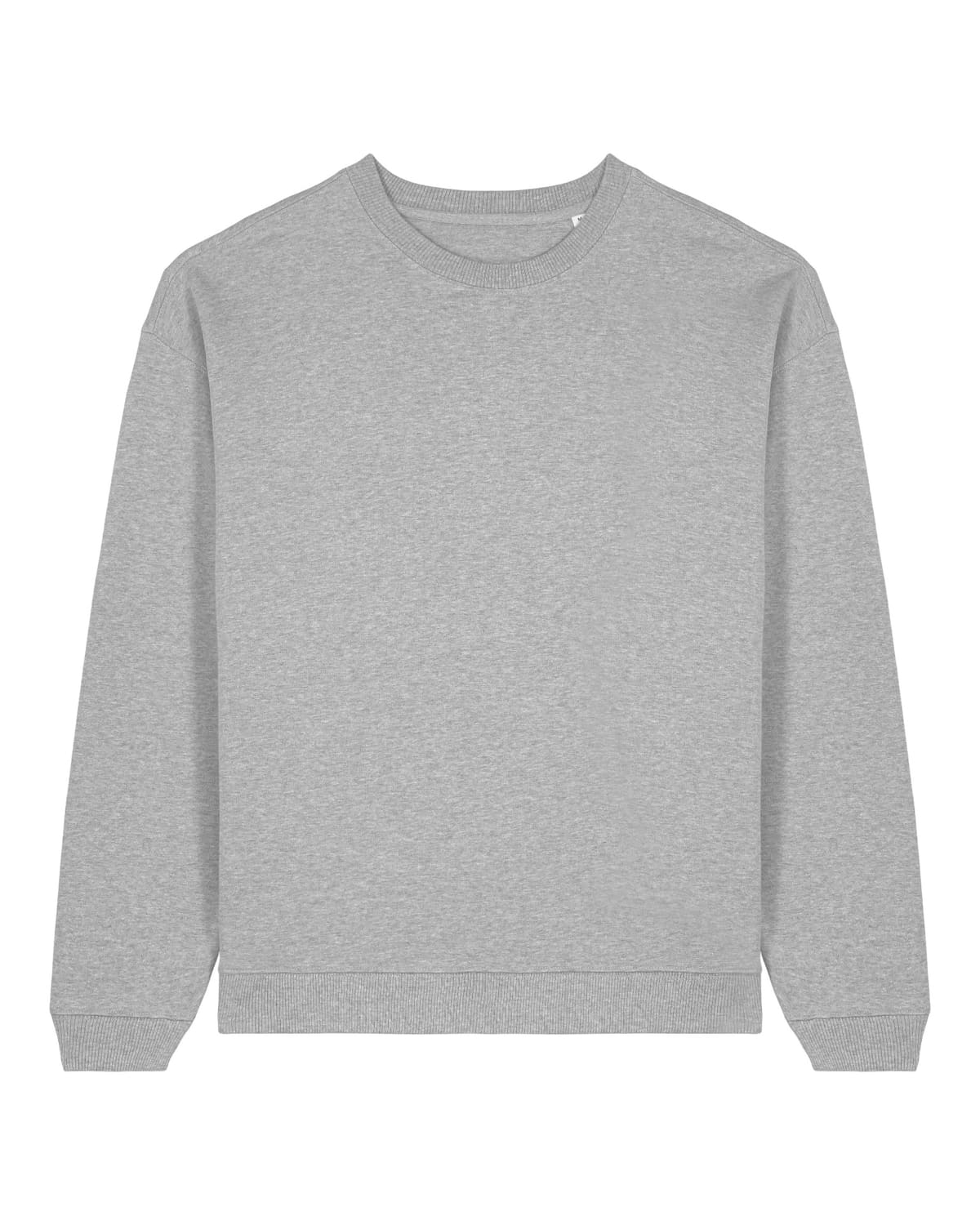
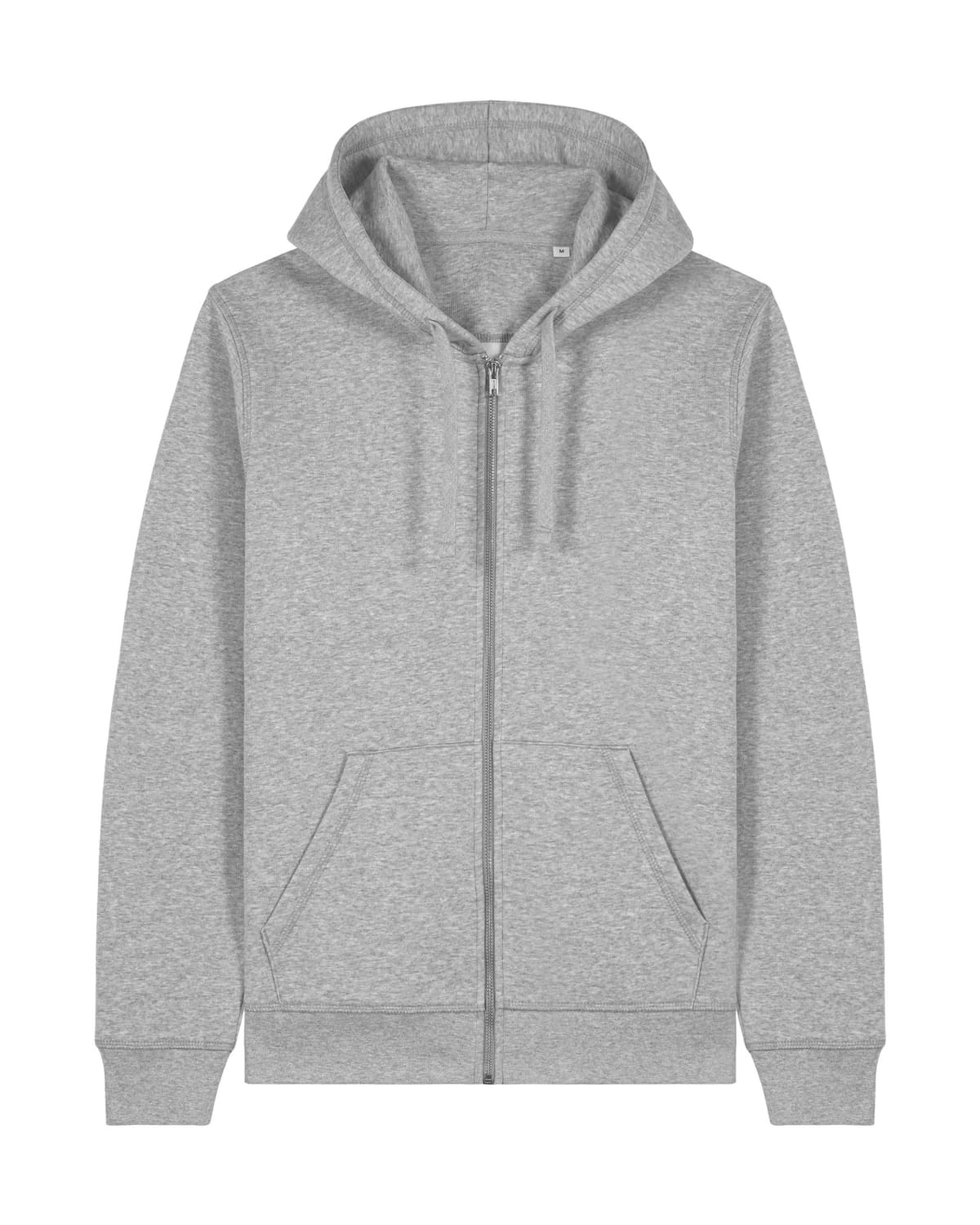
Within our "produce better" concept, we also choose organic cotton blanks, like those from Stanley/Stella and a select few from AS Colour. Think of us as that friend who reads every label in the supermarket, except with T-shirts. We work with these suppliers because they set a high standard for blank supply, with more transparency in the supply chain. That puts the decision in the hands of printers and customers.
Stanley/Stella: its T-shirts are made from 100% organic cotton and carry the GOTS Organic label. It's also a Fair Wear Foundation member and says it has been testing random samples through independent labs since 2021.
AS Colour: only part of its range is organic, which is why we're selective. It says about 10% of its products use GOTS organic cotton, and it reports 100% transparency of fabric sources and 95% of yarn sources and raw cotton agents. Our AS Colour staples are the Classic Tee, the Tubular and the Box Tee, and whenever a project needs a certified organic blank we confirm the exact style and certificate with you before anything is printed.
Are we the cheapest option?
If you're looking for the absolute cheapest shirt on the market, we're probably not your number one pick. That's okay, we'll survive. We do have affordable options that bring high quality at a low cost, but rock-bottom prices aren't what we stand for.
Frequently asked questions
What is an organic cotton blank?
It's an unprinted garment made from organically grown cotton, ready to be printed or decorated.
What does GOTS mean?
GOTS stands for Global Organic Textile Standard. It covers the processing and traceability of organic fibres, with ecological and social criteria. Farming itself is certified separately by local authorities.
Do organic cotton shirts last longer?
Not just because they're organic. How long a shirt lasts depends on its fabric, construction and care, so choose a well-made organic blank.
Are organic cotton blanks more expensive?
Usually a little, yes. In our range, a certified organic blank typically costs somewhere between about 50 cents and two euros more per shirt than a comparable conventional one, depending on the style and weight. Over a run of 50 shirts, the difference is smaller than most people expect, and it buys you a story you can tell with a straight face.
Is organic cotton merch automatically sustainable?
No. Organic cotton addresses how the fibre is grown and traced. Transport, dyeing, printing and how long the shirt gets worn all still matter.
Planning your next merch run?
Tell us about your project, and we'll help you choose a blank you'll be proud to put your name on. It might even survive your flatmate borrowing it.